|
R-0005 Acid Demand Reagent - Taylor |
Hazard Statements
May be corrosive to metals. Causes severe skin burns and serious eye damage.
Precautionary Statements
Prevention: Do not breathe dust or mists. Wash skin thoroughly after handling. Wear protective gloves/protective clothing/eye protection/face protection if contact is likely to occur. Keep only in original container. Response IF SWALLOWED: Rinse mouth. Do NOT induce vomiting. IF ON SKIN (OR HAIR): Immediately take off all contaminated clothing. Rinse skin with water/shower. Wash contaminated clothing before reuse. IF INHALED: Remove person to fresh air and keep comfortable for breathing. Immediately call a physician or poison control center. IF IN EYES: Rinse cautiously with water for several minutes. Remove contact lenses if present and easy to do. Continue rinsing. Immediately call a physician or poison control center. Absorb spillage to prevent material damage. Storage Store in corrosive-resistant container with corrosive-resistant inner liner. Keep tightly capped. Store locked up. Store out of direct sunlight between 36°F–85°F. Disposal Dispose of contents/container in accordance with local/regional/national/international regulations. Hazards not otherwise classified Not applicable
Manufacturer information
Name
Taylor Technologies Inc
Phone
(410) 472-4340
Address
31 Loveton Circle
Sparks, MD 21152
PICTOGRAMS
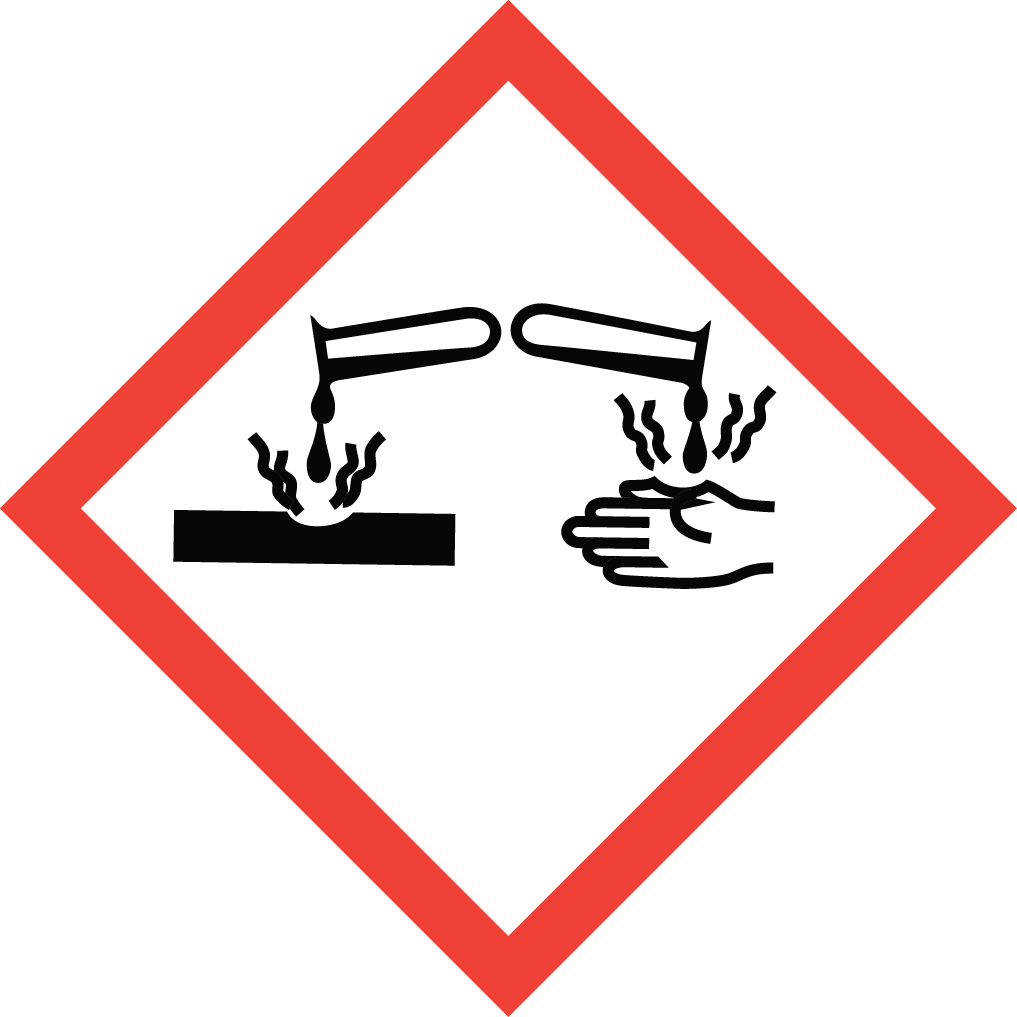
HMIS
| HEALTH |
|
| FLAMMABILITY |
|
| PHYSICAL HAZARD |
|
| PERSONAL PROTECTION |
Appropriate engineering controls Good general ventilation (typically 10 air changes per hour) should be used. Ventilation rates should be matched to conditions. If applicable, use process enclosures, local exhaust ventilation, or other engineering controls to maintain airborne levels below recommended exposure limits. If exposure limits have not been established, maintain airborne levels to an acceptable level. Eyewash facilities and emergency shower must be available when handling this product. Personal protective equipment Eye/face protection Wear appropriate chemical safety goggles if contact is likely to occur. Skin protection Wear appropriate chemical-resistant gloves and clothing if contact is likely to occur. Body protection Wear appropriate protective clothing if contact is likely to occur. Respiratory protection In case of insufficient ventilation, wear suitable respiratory equipment. Use a NIOSH/MSHA approved respirator if there is a risk of exposure to dust/fumes at levels exceeding the exposure limits. Advice should be sought from respiratory protection suppliers. |
NFPA
2
0
0
COR

Bainbridge Island Parks and Recreation District
Local data
SKU #